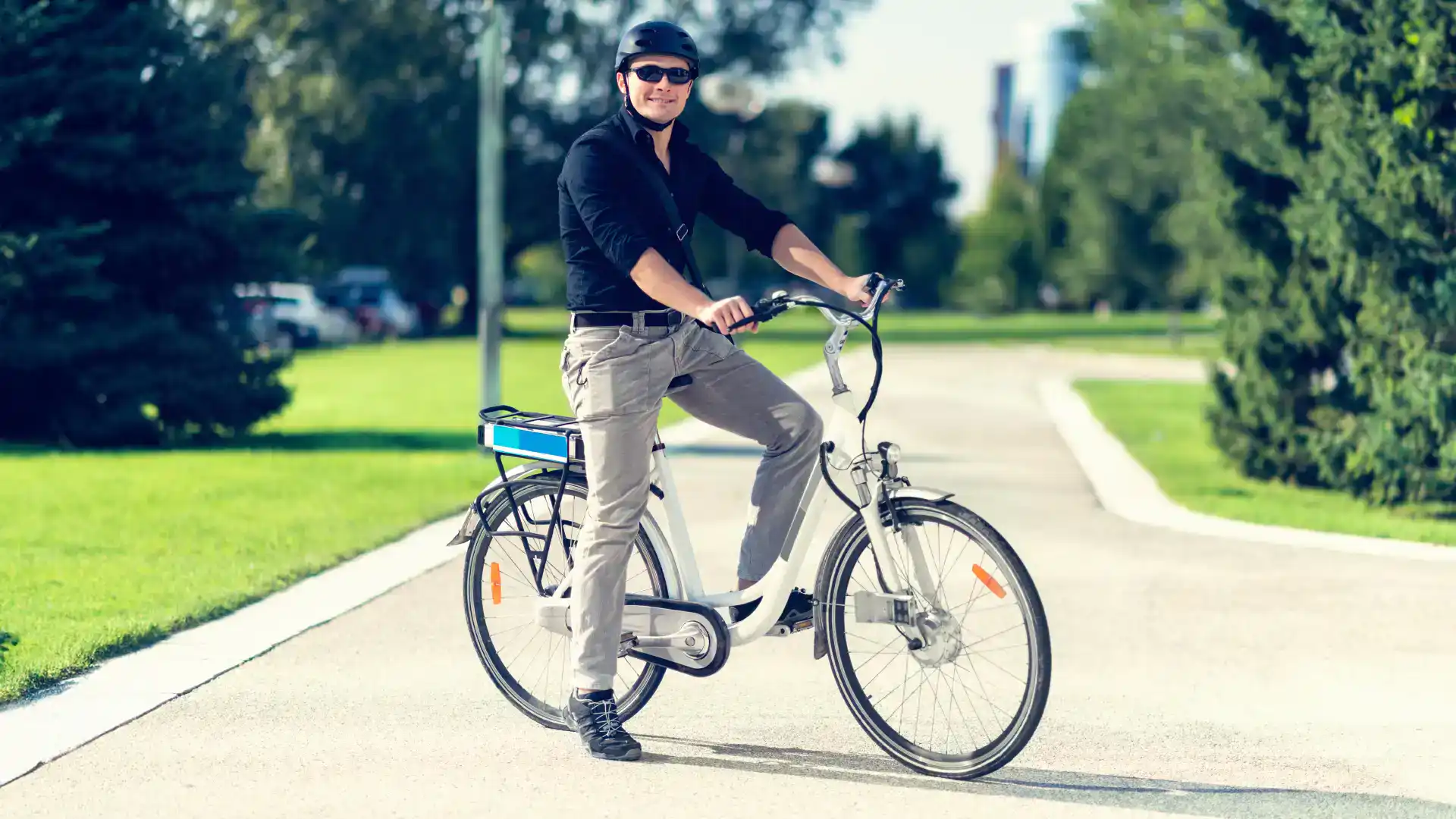
The growing popularity of electric bikes (ebikes) in Canada and the USA has brought significant attention to their regulation. These two countries, while geographically close and culturally similar, have different approaches to ebike laws and their enforcement. Understanding these laws is important for both ebike riders and other road users to ensure safety, responsibility and compliance. Here are the similarities and differences between ebike laws in Canada and the USA, best practices for ebike riders and the responsibilities of both ebike and non-ebike users in sharing the road.
What is an eBike Under the Law?
An electric bike, or ebike, is a bicycle equipped with an electric motor that assists with propulsion. This motor can be activated either by pedalling or by a throttle, depending on the type of ebike. Most jurisdictions classify ebikes by their speed and motor power. Understanding this definition is the first step toward grasping how these bikes are regulated across Canada and the USA.
Canadian eBike Laws
Federal Regulations
At the federal level in Canada, ebikes are classified as “Power-Assisted Bicycles” (PABs) and fall under the Motor Vehicle Safety Regulations (MVSR). These laws ensure that ebikes are treated similarly to regular bicycles, provided they meet specific requirements:
Power Limit: The electric motor must have a maximum power output of no more than 500 watts.
Speed Limit: The ebike must not exceed 32 kph (20 mph) when operated solely by the motor.
Pedals: The bike must be equipped with functioning pedals.
Age Limit: Riders must be at least 16 years old to operate an ebike.
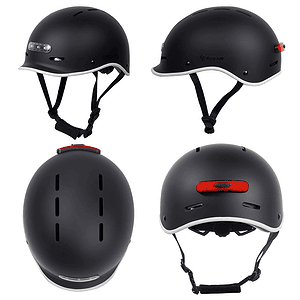
Helmet Use: Helmets are mandatory for ebike riders.
Once an ebike meets these federal criteria it is not considered a motor vehicle, and riders are exempt from the need for a driver’s licence, registration or insurance.
In addition to federal laws, each province and territory in Canada may have additional rules governing ebikes. Some key differences include:
Helmet Requirements: While federal law mandates helmets, some provinces impose stricter standards, such as requiring specific types of helmets.
Where Ebikes Can Be Used: In certain provinces like Ontario and British Columbia, ebikes are allowed on bike paths, multi-use trails and roads, but they may be restricted from sidewalks or pedestrian-only zones.
Licensing and Registration: While ebikes do not require federal registration, provinces may have regulations requiring licensing or special permits, particularly for higher-speed models.
USA eBike Laws
Federal Regulations
The USA classifies ebikes under the Consumer Product Safety Act. At the federal level, an ebike is defined as a bicycle with two or three wheels, fully operable pedals and an electric motor of less than 750 watts (1 horsepower). The federal law also distinguishes ebikes based on their speed capabilities:
Class 1: eBikes that are pedal-assist only and stop assisting when the bike reaches 20 mph (32 kph).
Class 2: eBikes that have a throttle-powered motor but cannot exceed 20 mph (32 kph).
Class 3: eBikes that are pedal-assist only but provide assistance up to 28 mph (45 kph).
Similar to Canada, ebikes that meet these requirements are not classified as motor vehicles, meaning they do not require a driver’s license, registration or insurance at the federal level.
State Regulations
While federal law sets the basic framework, ebike regulations are ultimately governed by state laws, which can vary widely. Key state-level differences include:
Age Restrictions: Some states, like California, require riders of Class 3 ebikes to be at least 16 years old.
Helmet Use: Helmet requirements also differ from state to state. For example, California mandates helmets for riders of Class 3 ebikes, while states like Florida and Texas have more relaxed helmet laws.
Road Access: States also differ in where ebikes can be ridden. Some states allow ebikes on bike paths and multi-use trails, while others restrict their use to streets and roads.
Similarities Between Canada and USA eBike Laws
Despite the differences in regulatory approaches, several similarities exist between Canada and the USA concerning ebikes:
Power Limits: Both countries impose limits on motor power, with Canada capping it at 500 watts and the USA allowing up to 750 watts.
Speed Limits: The speed limits for ebikes are also comparable, with both countries generally restricting ebikes to a maximum of 20 mph (32 kph) under motor power alone.
No License, Registration, or Insurance Requirements: eBikes that meet the respective power and speed limits are not classified as motor vehicles in either country, eliminating the need for licenses, registration or insurance.
Helmet Use: Both Canada and the USA have helmet requirements for ebike riders, though the specific laws vary by region or state.
While the laws share some core principles, there are notable differences between Canada and the USA:
Class System: The USA has a clearer classification system (Classes 1, 2 and 3), which is absent in Canada. This system helps define which types of ebikes can be used in specific areas (e.g. bike paths vs roads).
Provincial vs. State Authority: In Canada, ebike laws are uniform at the federal level, with provinces and territories making additional rules. In the USA, states have far more autonomy in setting ebike laws, leading to a more fragmented legal landscape.
Motor Power Limit: Canada’s motor power limit (500 watts) is more restrictive than the USA’s (750 watts), meaning American ebikes can have slightly more powerful motors.
Best Practices for eBike Riders
For ebike riders in both Canada and the USA, adhering to best practices can enhance safety, legal compliance and overall riding experience:
Know the Local Laws: Laws can vary not only between countries but also between provinces, territories and states. Riders should be familiar with the specific regulations that apply in their area.
Wear a Helmet: Even in areas where helmets are not mandatory, wearing one is a simple and effective way to protect yourself from head injuries.
Be Visible: Equip your ebike with lights, reflectors and wear bright clothing, especially when riding at night or in poor visibility conditions.
Use Hand Signals: Like traditional cyclists, ebike riders should use hand signals to indicate turns and stops to other road users.
Ride Defensively: eBikes can reach higher speeds than traditional bikes, so it’s essential to be cautious, especially when sharing the road with cars, pedestrians or other cyclists.
Regular Maintenance: Ensure that your ebike is well-maintained, especially the brakes, tires and electrical system. Regular maintenance can prevent accidents caused by mechanical failure.
Stay Within Speed Limits: Even if your ebike is capable of higher speeds, stay within the legal limits for the area you’re riding in.
Responsibilities of Non-eBike Riders
Non-ebike users, including pedestrians, cyclists and motorists, also play a role in ensuring the safe integration of ebikes into the road system:
Share the Road: Non-ebike users should be aware that ebikes are entitled to use the road, just like traditional bicycles. Giving them space and respecting their right to ride safely is crucial.
Understand the Speed of eBikes: eBikes travel faster than traditional bicycles. Motorists and cyclists should take this into account when merging or turning near ebike riders.
Use Bike Paths Appropriately: In areas where ebikes are allowed on bike paths, non-ebike riders should be mindful of the faster speeds of ebikes. This includes looking over their shoulder before changing lanes and avoiding sudden stops or swerves.
Stay Educated: As ebikes become more common, all road users should stay informed about local laws and practices for sharing the road safely.
Wrapping It Up
The rise of ebikes offers an exciting, eco-friendly alternative to traditional transportation, but it also requires careful regulation and responsible behaviour from all road users. While Canada and the USA have established laws to govern the use of ebikes, these laws vary, particularly at the provincial or state level. Both countries share similarities in their approach to safety, power limits and road use, but differ in their classification systems and specific regulations. By following best practices and understanding the responsibilities of ebike and non-ebike users alike, everyone can enjoy a safer and more harmonious road environment.