
eBike Safety
For riders and non-riders
- eBikersDen
- No Comments
As the popularity of ebikes continues to rise, it’s essential to recognize the growing responsibilities that come with operating them, both for riders and those who share the road with them. eBikes offer significant benefits, from reducing traffic congestion and cutting down on emissions to providing a more accessible means of transportation. However, with these advantages come concerns about safety, operational integrity, and how ebikes fit into the larger transportation ecosystem. Understanding these concerns, both from the perspective of ebike users and non-ebikers, is crucial for ensuring the harmonious and safe integration of electric bikes into daily life.

Knowing How to Handle Your eBike in All Situations
One of the most pressing concerns for ebike operators is understanding the unique challenges posed by higher speeds and increased weight. Unlike traditional bicycles, which rely entirely on pedal power, ebikes come equipped with electric motors that can assist riders in reaching speeds of 20–28 mph (30–45 kph), depending on the class of ebike. While this boost in speed is often seen as one of the primary advantages of ebikes, it also introduces new safety risks. Riders accustomed to regular bicycles may find themselves unprepared for the faster acceleration or the additional stopping distance required at these higher speeds. A common issue is misjudging the braking time, particularly in crowded urban environments where stopping quickly is often necessary. Additionally, the extra weight of the ebike due to its motor and battery can further complicate control, especially during sharp turns or in emergency situations.
Inexperienced ebike riders may also struggle with the temptation to rely too heavily on the electric assist, leading to a lack of awareness of the physical exertion required for safe operation. This over-reliance can result in decreased attentiveness, as riders may assume the motor will compensate for obstacles, inclines, or challenging road conditions. However, ebike operators must remain vigilant at all times, fully aware that the motor is an aid, not a replacement for responsible cycling practices. This includes maintaining proper posture, using both hands on the handlebars, and being conscious of the terrain.

eBikes – Different Than Regular Bicycles in Traffic
Another key safety concern relates to the use of ebikes in mixed-traffic environments, particularly in cities where cars, pedestrians, and cyclists all share the same space. eBikes can accelerate more quickly than traditional bikes, often matching the speed of slower-moving cars. This speed differential can create confusion for drivers who may not be accustomed to sharing the road with cyclists moving at similar speeds. Furthermore, pedestrians may also misjudge the speed of an approaching ebike, leading to dangerous interactions at crosswalks or while jaywalking. For ebike riders, this requires a heightened level of caution, as they must navigate both the unpredictability of traffic and the increased speed at which they are travelling.
For cities and municipalities, the rapid growth of ebikes presents new infrastructure challenges. Bike lanes, originally designed with traditional bicycles in mind, may no longer be sufficient to accommodate the faster-moving ebikes. Wider, more durable lanes, specifically designed for electric-powered bikes, are increasingly needed to prevent accidents caused by congestion or collisions between slower and faster-moving cyclists. Additionally, the introduction of dedicated ebike lanes or shared pathways that separate cyclists from pedestrians can improve safety for all parties involved. Until such changes are implemented on a large scale, ebike riders must exercise extreme caution when navigating urban environments, particularly in areas where bike lanes are narrow or non-existent.

Take Care of That Battery
Another operational concern centers around battery management and charging practices. The lithium-ion batteries used in ebikes are powerful, but like all batteries, they come with specific care requirements to ensure safe and efficient operation. One of the primary concerns is overcharging, which can degrade the battery over time and, in rare cases, increase the risk of fire. Riders must adhere to manufacturer guidelines on charging, avoiding the temptation to leave their batteries plugged in for extended periods. Proper storage is also important, as exposing the battery to extreme temperatures – whether hot or cold – can significantly reduce its lifespan or lead to operational failures. Regular maintenance checks, including monitoring the battery for signs of damage or wear, are essential to preventing malfunctions during rides.
Regular Maintenance
Alongside battery care, ebike riders should also pay attention to overall maintenance, particularly of the electrical components. Unlike a traditional bike, an ebike’s motor, sensors, and wiring require more frequent checks to ensure everything is functioning correctly. Neglecting regular maintenance can lead to sudden breakdowns, potentially leaving riders stranded or causing dangerous situations if the motor fails while navigating heavy traffic or difficult terrain. Having a mindset that embraces proactive care – rather than waiting for problems to arise – is key to ensuring safe and reliable ebike operation.

Know Your Local Laws and Bylaws
Another critical concern for ebike operators is the legal landscape surrounding their use, which varies from jurisdiction to jurisdiction. In some areas, ebikes are subject to the same rules as traditional bicycles, while in others, they are regulated more like mopeds or even motorcycles. Understanding these distinctions is crucial for riders, as failure to comply with local laws can result in fines, impounded bikes, or even accidents. In many places, ebike operators are required to follow specific speed limits, particularly in pedestrian-heavy areas. Additionally, helmet laws may apply to ebikes, even if they are not required for regular bicycles, making it essential for riders to stay informed about the regulations in their region.

eBikes Attract the Wrong Kind of Attention Sometimes
One emerging concern that ebike riders must also be mindful of is theft. The relatively high cost of ebikes, combined with the portability of their batteries and motors, makes them an attractive target for thieves. eBike riders should take extra precautions, such as investing in high-quality locks, removing the battery when leaving the bike unattended, and parking in well-lit or secured areas. Some ebike manufacturers have begun integrating GPS tracking systems into their designs, allowing owners to track stolen bikes, but these systems are still not universally available. Until then, riders must remain vigilant and take steps to protect their investment.

For Those Who Don't eBike – Yet
For those who don’t ride ebikes but share the road or walkways with them, adopting the right mindset is essential as the presence of ebikes becomes more common. eBikes offer undeniable environmental and transportation benefits, and while their presence may be unfamiliar or even unsettling to some, it is important to approach this shift with openness and understanding. Pedestrians, drivers, and traditional cyclists should recognize that ebikes are here to stay, and integrating them into the broader transportation system will require a collective effort in adapting behaviors and expectations.
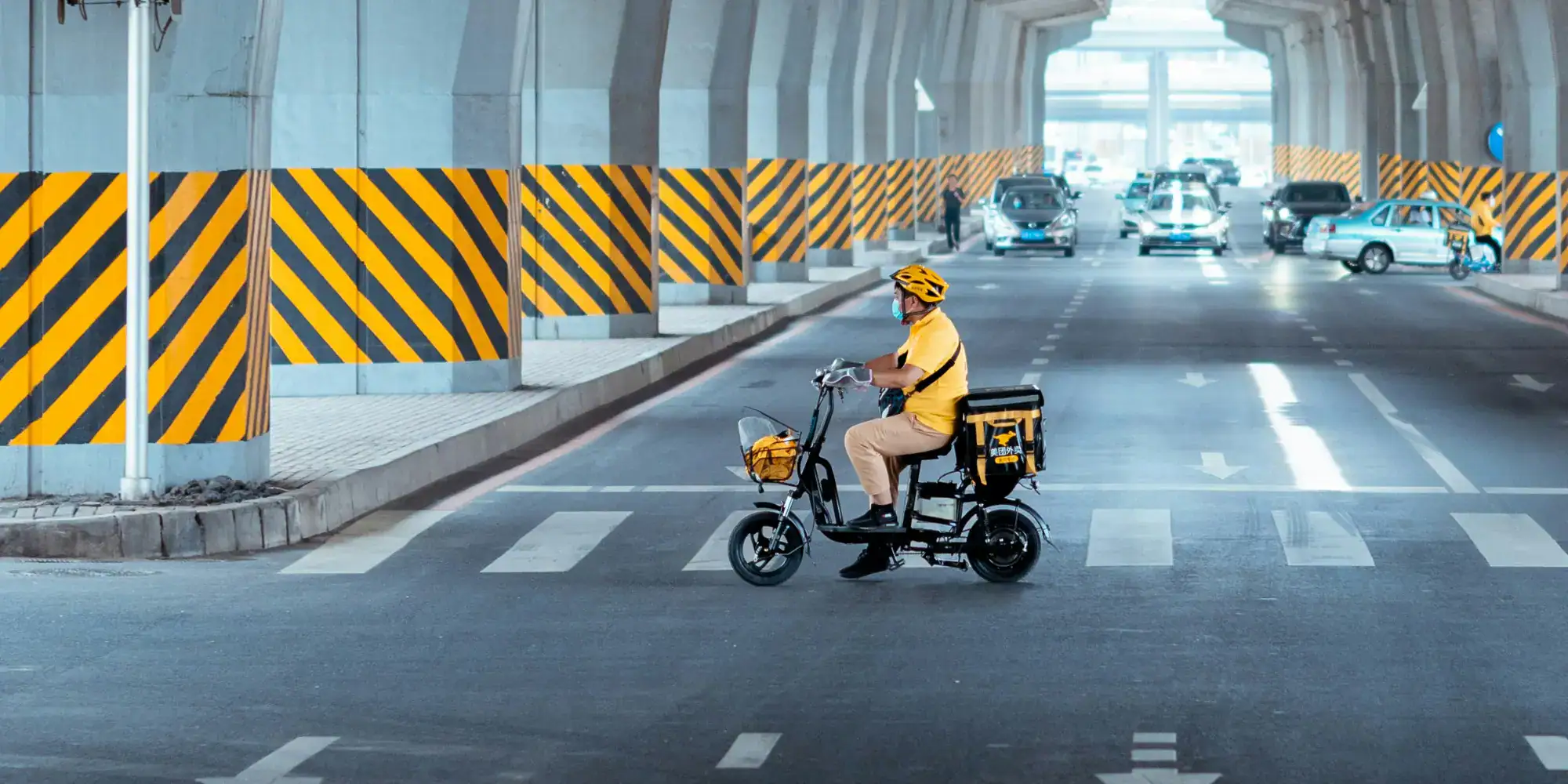
For non-ebikers, one of the most important considerations is acknowledging the speed differential between ebikes and traditional bikes. Whether driving or walking, it’s easy to assume that a bicycle approaching in the distance is moving at a typical cyclist’s pace. However, ebikes can close gaps more quickly, and assuming they will move at a slower speed can lead to misjudgments, such as turning in front of them in traffic or stepping into their path on a shared walkway. Remaining alert and giving ebikes the same respect and attention as other vehicles on the road can significantly reduce the risk of accidents.
Rights (and Responsibilities) of the Road are for Everyone
Drivers should also be aware that ebike riders have the same rights to the road as cyclists and must be given ample space when passing or sharing lanes. Just as with traditional bicycles, passing too closely or attempting to squeeze ebikes into narrow gaps in traffic can result in dangerous collisions. The added speed and potential weight of an ebike may also affect its ability to react quickly, making it essential for drivers to give ebike riders sufficient room to maneuver. Similarly, non-ebikers should exercise patience when encountering ebikes in bike lanes or on shared roads. As ebikes become more common, learning to coexist with them safely will require drivers to adjust their expectations of how cyclists behave in traffic.
For pedestrians, it’s equally important to remain aware of ebikes on shared paths and to avoid stepping into bike lanes without checking for fast-approaching riders. Pedestrians should treat ebikes with the same caution they would apply to motorcycles or scooters, recognizing that their speed and power may differ significantly from traditional bicycles.

Mutual Respect and Safety
Ultimately, as ebikes become a more prevalent part of the transportation landscape, fostering a mindset of mutual respect and safety is key for both riders and non-riders alike. eBikes offer a promising solution to many of the transportation challenges we face today, but their safe integration into the public sphere requires a shared commitment to learning, adapting, and understanding how these vehicles operate. By staying informed and considerate, both ebike riders and those around them can help ensure a safer, more efficient, and enjoyable coexistence on the roads and pathways we all share.