What Does C-V2X Have To Do with eBikes?

It's About Traffic Safety and Management

First off, you probably want to know what C-V2X means if you’ve never heard it before. And it’s perfectly understandable if you haven’t. We certainly hadn’t before we found it by looking for interesting developments in the world of transportation that will affect ebikes.

Cellular Vehicle-to-Everything (C-V2X) is a group of technologies in development that allow vehicles to communicate and coordinate with other vehicles, roadside infrastructure and pedestrians and feed all the data into the broader communications network. It was theorized in the early 2000s and has been in development since then. The most recent versions work on 4G (LTE) and 5G cellular systems, utilizing the integration that has been built into cellphones, controls and sensors.

Its primary goals are to increase safety, shape traffic and ultimately move us a step closer to having autonomous vehicles. C-V2X is itself an extension of technologies that have preceded it into the marketplace. Two primary examples are:

Advanced Driver Assistance Systems (ADAS)

ADAS uses sensors, cameras and controls on a vehicle to increase safety and to assist in the vehicle’s operation. The ultimate goal is full driving automation in the coming years. Anti-lock brakes were an early component. Back-up cameras, automatic parking and collision avoidance are more recent developments.

Dedicated Short-Range Communications (DSRC)

DSRC allows vehicles to communicate via transmitters and receivers with other vehicles and pedestrians, as well as infrastructure like traffic lights and message signs.

c-v2x for ebikes

1. V2N

With the cellular component added to existing V2X systems, vehicles have their own direct connection to the network – vehicle-to-network (V2N). This extends communications beyond an individual vehicle’s immediate surroundings and enables management of entire traffic flows. Satellite networks would supplement areas without cellular coverage.

2, 4, 7. V2I

Vehicle-to-infrastructure (V2I) allows vehicles to communicate with roadside machinery and sensors. (2) Construction or blockages have a transmitter alerting users to be cautious or be directed to avoid the area altogether. (4) Traffic lights can monitor traffic flows or be changed by emergency vehicles needing priority right of way. (7) Depending on time of day or crowds (school drop off, sporting events, etc.), high-traffic zones can alert users to potential slowdowns or blockages and can plan their route accordingly.

3, 5. V2V

Vehicle-to-vehicle (V2V) is already in use. Think of it as the micro to V2X’s macro management of road users. Speed detection and collision avoidance are typical technologies in current use, and there will be further integrations.

6. V2P

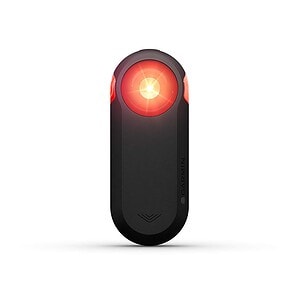
As most people carry a cellphone, they too become part of the data picture. Vehicles can be alerted to people on the road, and vice versa using vehicle-to-pedestrian (V2P) protocols.

So What About the eBikes?

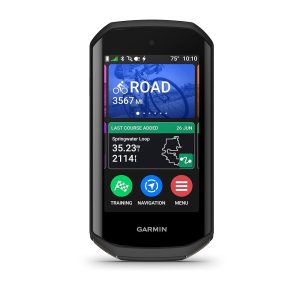
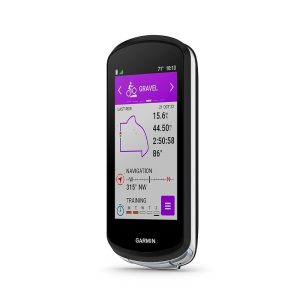
eBikes are changing the perception of cyclists. Instead of being slightly-faster pedestrians, ebikes in urban areas can be considered vehicles in their own right. eBikes already have basic computers for power management, GPS and status displays, and companies are working on integrating C-V2X technologies into future models.

Many cyclists – powered and unpowered – have had poor experiences with drivers that did not see them, or were actively hostile to their presence on the road. C-V2X offers an increased level of awareness for all road users giving them a big picture on what traffic is like that day and the best way to navigate it, and a detailed picture of what is going on right around them. It is hoped a better sense of safety results as we all share the roads we travel.

Leave a Reply

Your email address will not be published. Required fields are marked *