
The Real World Guide to Urban Commuter E-Bikes
Comfort, range, traffic, storage and everyday ride features for people who want to make e-biking part of normal life.
Urban commuter e-bikes are built for the kind of riding most people actually do. They are not just about getting from home to work. They are about quick errands, coffee runs, school drop-offs, grocery stops, weekend pathways and replacing short car trips that take longer than they should. A good commuter e-bike makes the ride feel easier, but the best ones also make the whole routine feel simpler.

Best For
Daily rides, city streets, paved paths, errands, short trips and riders who want a practical car alternative.
Main Trade-Off
Usually more efficient than fat tire bikes, but not always as capable on loose, rough or off-road terrain.
Key Feature
Look for comfort, range, lights, fenders, racks, good brakes and a frame style that fits your routine.
What Makes an Urban Commuter E-Bike Different?
An urban commuter e-bike is designed around everyday usefulness. It is not trying to be the most aggressive trail bike, the flashiest cruiser or the biggest cargo hauler. Its job is to make regular riding feel easy enough that you actually do it more often. That means the bike needs to be comfortable, predictable, efficient and practical.
The best commuter e-bikes usually focus on a balanced riding position, smooth pedal assist, dependable braking, good visibility and enough battery range to handle your normal trips without turning every ride into a battery math problem. When those details come together, the bike stops feeling like a weekend toy and starts feeling like a real part of your day.
Why Comfort Matters More Than People Think
On a commuter e-bike, comfort is not just a luxury. It is what decides whether the bike gets used every day or left sitting in the garage. If the riding position feels awkward, the seat is uncomfortable, the handlebars are too low or the bike feels jumpy in traffic, short trips can start to feel like work.
That is why urban commuter e-bikes often lean toward upright or semi-upright geometry. You can see what is happening around you, your hands and shoulders do not feel as strained, and the ride feels more relaxed when you are dealing with stop signs, traffic lights, pedestrians, parked cars and shared pathways.
The Real Advantage: Turning Small Trips Into Easy Trips
A commuter e-bike really starts to make sense when you think about the trips that are too far to walk but too annoying to drive. Maybe it is a quick run to the store. Maybe it is a ride to work that would normally feel just a little too sweaty. Maybe it is a path across town where parking at the other end is the worst part of the trip.
That is where pedal assist changes the whole equation. Hills feel manageable. Headwinds become less frustrating. A 15-minute ride does not need to feel like a workout unless you want it to. You still get movement, fresh air and the fun of riding, but with enough help that the bike fits into real life.
Range: How Much Do You Really Need?
Range is one of the first things people compare, but the biggest number is not always the most important number. For urban commuting, the better question is whether the bike can comfortably cover your normal daily riding with room to spare. If your commute is short and you can charge at home, you may not need the biggest battery available.
Range depends on rider weight, assist level, tire pressure, hills, wind, speed, stops and temperature. A bike that feels efficient, comfortable and easy to charge may be a better daily choice than a heavier bike with a huge battery you rarely use.
Step-Through vs High-Step Frames
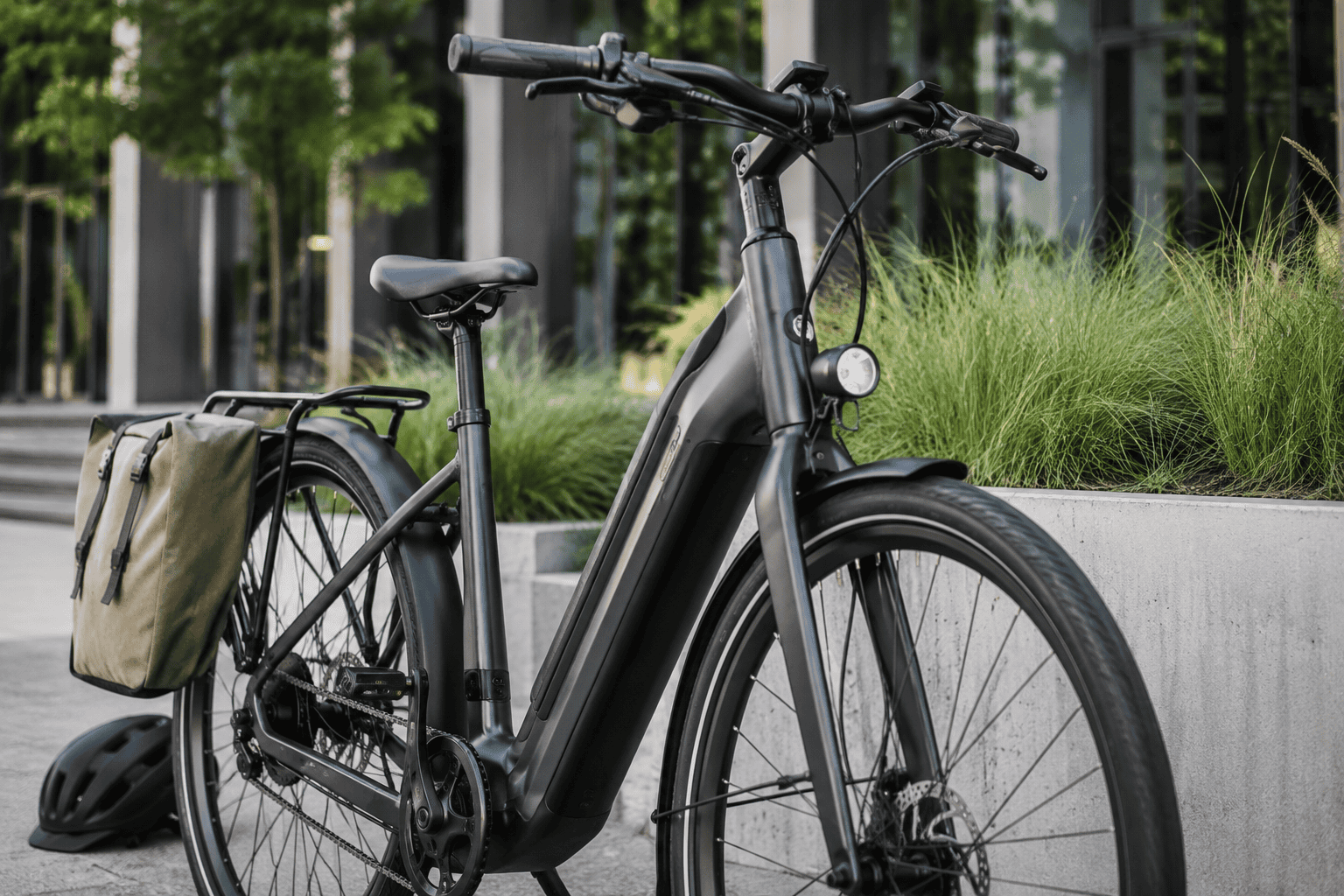
Frame style matters a lot for commuter riding because city riding usually includes a lot of starting, stopping, parking and getting on and off the bike. A step-through frame can be easier to manage if you ride in regular clothes, carry bags, have limited flexibility or just want a bike that feels simple to hop on and off.
High-step frames can feel sportier and may appeal to riders who like a more traditional bike shape. Neither style is automatically better. The better choice is the one that fits your body, your parking setup and how often you need to get on and off during a normal ride.
Why Built-In Accessories Are a Big Deal
For a bike that is supposed to handle everyday life, accessories are not just extras. Integrated lights help with visibility. Fenders keep water and road spray off your clothes. A rear rack gives you a place for a bag, pannier or small cargo setup. A kickstand makes quick stops easier. These are the things that make a commuter e-bike feel ready to use without turning every ride into a gear checklist.
A sleek bike without practical features can still be fun, but an urban commuter e-bike should make normal trips easier. If you plan to ride to work, stop for groceries or carry a backpack without wearing it the whole time, practical accessories matter.

Tires: Efficiency, Comfort and City Confidence
Urban commuter e-bikes usually use tires that are narrower and more efficient than fat tires, but wider and more comfortable than traditional road bike tires. That middle ground is what makes them work so well for daily riding. They roll smoothly on pavement, handle bike paths well and still provide enough comfort for cracks, curbs, rough shoulders and imperfect streets.
Tire choice affects how the bike feels. Smoother tires usually roll faster and quieter. More textured tires can add confidence on gravel paths or rougher surfaces. If your route includes mixed pavement, packed pathways and the occasional rough patch, a commuter tire with a bit of volume can make a big difference.
Motor Feel: Smooth Beats Sudden
For commuting, the way the motor delivers power can be just as important as how powerful it is. In stop-and-go riding, a motor that comes on too suddenly can feel awkward. A smooth assist system makes it easier to start at intersections, ride around pedestrians, match your pace on shared paths and stay relaxed in tighter spaces.
Some commuter e-bikes use cadence sensors, while others use torque sensors. A cadence sensor responds when the pedals are turning, while a torque sensor responds more closely to how hard you are pedaling. Many riders like torque sensing for a more natural ride feel, but either setup can work well if the bike is tuned properly.
Brakes and Visibility Are Not Optional
Urban riding is full of surprises. Cars pull out. Pedestrians step into shared paths. Dogs change direction. Traffic lights change at the worst moment. Because commuter e-bikes are heavier than regular bikes and can carry more speed with less effort, dependable brakes matter.
Visibility matters too. Built-in front and rear lights are helpful, but riders should also think about reflective details, bright clothing, side visibility and how visible the bike is at dawn, dusk or in cloudy weather. A commuter e-bike should help you feel confident, but part of that confidence comes from being seen and being able to stop smoothly.
Storage: The Feature You Appreciate Later
A commuter e-bike becomes much more useful when you can carry things comfortably. A rear rack, panniers, a front basket or a small trunk bag can turn a simple bike into a practical errand machine. Even if you do not plan to carry much at first, having the option makes the bike more flexible. It is the difference between riding just for fun and riding because it actually solves a transportation problem.
Where Urban Commuter E-Bikes Make the Most Sense
Urban commuter e-bikes are a great fit for riders who spend most of their time on pavement, bike lanes, multi-use paths, neighborhood roads and city routes. They also work well for people who want to ride more often without needing to dress like they are going on a long training ride.
They are less ideal if your main riding is deep gravel, snow, sand, rough trails or technical off-road terrain. For those conditions, a fat tire or mountain-style e-bike may make more sense. But for daily usefulness, efficient pavement riding and easy around-town movement, the commuter category is hard to beat.
The Real Story of Urban Commuter E-Bikes
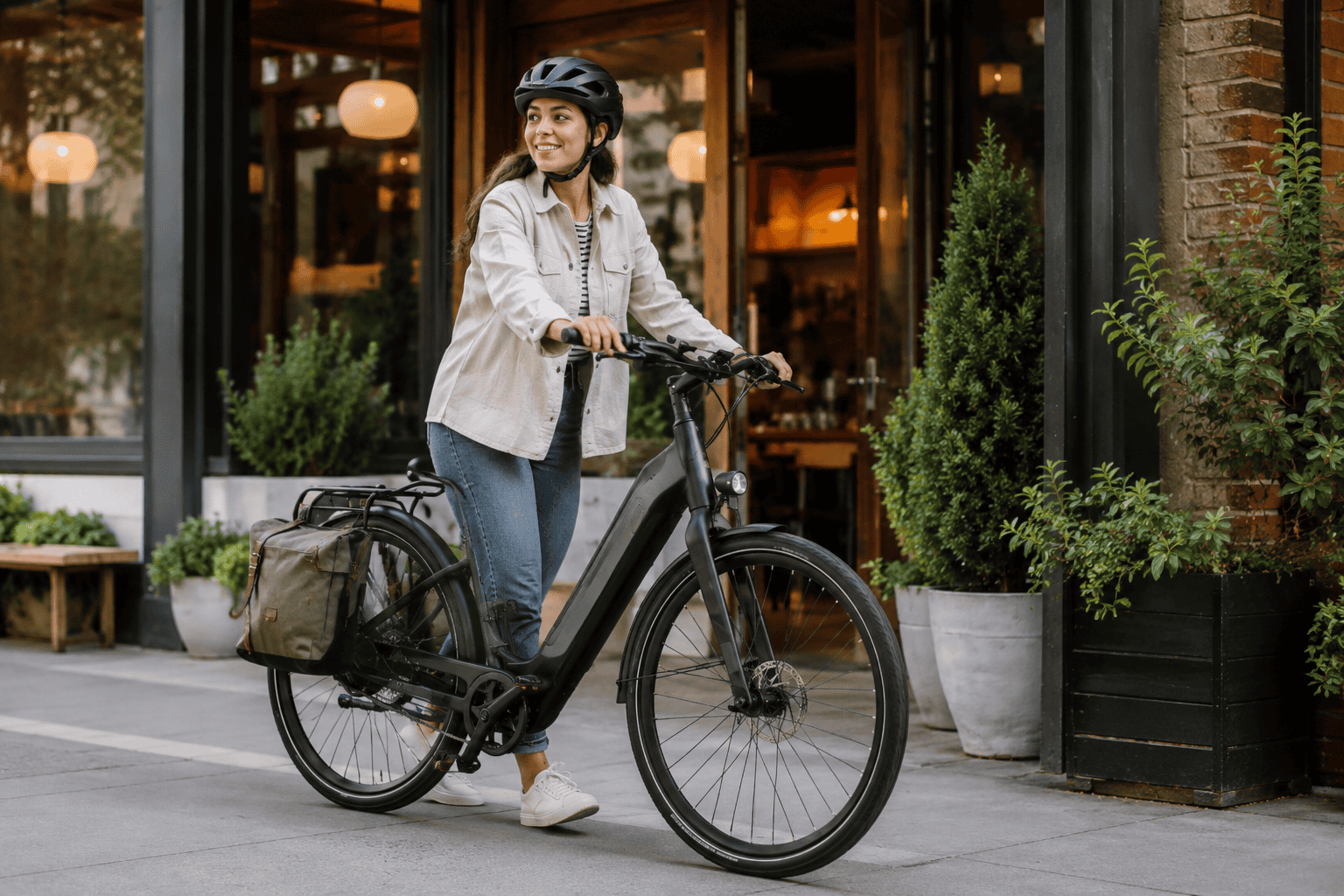
The real story of urban commuter e-bikes is not that they are only for commuting. It is that they make everyday riding feel realistic. They are for the rider who wants to move through town without overthinking parking, traffic, hills or whether a short trip is worth starting the car.
They are excellent when you want comfort, efficiency, practical features and a bike that fits into normal routines. They can be less ideal if you need maximum off-road traction, heavy cargo capacity or all-season winter control on ice and deep snow.
If you are choosing between styles, the best question is not “Which e-bike is the most powerful?” It is “Which bike will I actually use the most?” For many riders, urban commuter e-bikes are the answer because they make everyday trips feel simple, useful and fun.
Ready to Compare Urban Commuter E-Bikes?
Browse commuter e-bikes built for city riding, paved paths, everyday errands and riders who want a practical way to make more trips by bike.
Common Questions About Urban Commuter E-Bikes
Here are a few quick answers to help riders decide whether an urban commuter e-bike is the right fit for daily rides, errands and around-town travel.
What is an urban commuter e-bike?
An urban commuter e-bike is an electric bike designed for daily riding on city streets, paved paths, bike lanes and neighborhood routes. These bikes usually focus on comfort, efficiency, practical features and easy handling rather than aggressive off-road performance.
Are commuter e-bikes good for beginners?
Yes, many commuter e-bikes are beginner-friendly because they are designed to feel stable, comfortable and predictable. Step-through frames, upright riding positions, smooth pedal assist and practical accessories can make them easier for new riders to use regularly.
How much range do I need for commuting?
The right range depends on your route, charging routine and how much extra riding you want to do. A good rule is to choose a bike that can comfortably cover your normal round trip with extra battery left over for wind, hills, cold weather, errands and higher assist levels.
Should I choose a step-through commuter e-bike?
A step-through commuter e-bike can be a great choice if you want easier mounting and dismounting, especially in traffic, at stoplights or while carrying bags. High-step frames can also work well, but step-through designs are often more convenient for everyday urban riding.
What features should I look for in a commuter e-bike?
Useful commuter features include integrated lights, fenders, a rear rack, a comfortable saddle, dependable brakes, puncture-resistant tires, a clear display, smooth pedal assist and a battery that fits your normal riding distance.
Can an urban commuter e-bike replace a car?
For some riders, yes. A commuter e-bike can replace many short car trips, especially for work commutes, errands, local appointments and casual rides around town. It may not replace every vehicle need, but it can reduce how often you drive for everyday trips.
Ready to Find Your Daily Ride?
Urban commuter e-bikes are built for riders who want practical transportation, comfortable pedaling and more freedom for everyday trips.