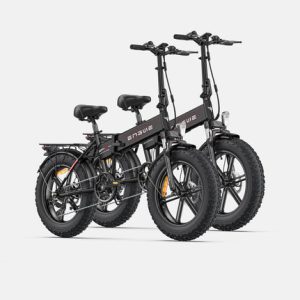
Startup: A Guide to Creating Your eBike Fleet
Ready to Get Going?
- eBikersDen
- No Comments
To launch an ebike fleet business, you’ll start by assessing the factors that will contribute to the overall cost, space requirements, regulatory compliance and ongoing operations.
1. Startup Costs Breakdown
Begin with a thoroughly thought-through budget. Below is a breakdown of typical major startup costs. Your region, market and unique conditions may include other considerations.
| Expense | Estimated Cost (USD) |
|---|---|
| eBikes Purchase | $1,000–$6,000 per bike |
| Charging Infrastructure | $1,000–$5,000 per station |
| Insurance | $5,000–$50,000 annually |
| Permits & Licences | $500–$5,000 |
| Fleet Management Software | $2,000–$10,000 annually |
| Marketing & Branding | $5,000–$30,000 |
| Employee Costs | $50,000+ annually |
| Space Rent/Lease | $1,000–$10,000 per month |
| Utilities & Maintenance | $500–$2,000 per month |
| Total Startup Costs | $75,000–$500,000+ |

2. Financing Your eBike Fleet
Financing Options
Self-Financing
If you have personal resources or investors, self-financing can be an option, though it comes with greater inherent risk.
Business Loans
You can also secure funding through small business loans. Interest rates generally range from 5% to 15%, depending on the business’ track record and credit rating.
Leasing
Instead of purchasing, leasing ebikes can lower initial startup costs. Many leasing contracts have flexible terms.
Grants and Subsidies
Depending on your location, government grants or green energy initiatives may help finance part of your fleet.

3. Space and Power Requirements
Facility Space
You’ll need a space for storing and maintaining the ebikes as well as charging infrastructure. The amount of space depends on the size of your fleet. Consider the following:
eBike Storage
A general rule is that one ebike requires about 3–4.5m²/10–15ft² of storage space. For a fleet of 100 bikes, this equates to approximately 300–450m²/1,000–1,500ft².
Charging Area
Charging stations should be easily accessible. If you’re planning multiple charging units, allocate approximately 15–60m²/50–200ft² per station.
Power
Charging Infrastructure
Each ebike typically requires 500W–1,000W for charging. For a fleet of 100 ebikes charging simultaneously, you’ll need 50kW–100kW of power. If the fleet is large, you may need to upgrade the power supply to the facility or install additional transformers.
Renewable Power Solutions
Consider using solar panels to offset electricity costs and contribute to sustainability. Solar panel systems for an ebike fleet could cost $10,000–$50,000, depending on size and usage.

4. Regulatory Requirements
eBike fleet businesses are subject to various regulatory requirements based on their location. Key regulations include:
Local Permits and Business Licensing
Business Licence
Check with your local municipality for business licensing requirements. Fees range from $50–$500 annually.
Zoning Laws
Ensure your fleet location is properly zoned for commercial and transportation services.
eBike Regulations
Class Restrictions
- Class 1: Pedal-assist ebikes with a top speed of 30kmh/20mph
- Class 2: Throttle-assist ebikes with a top speed of 30kmh/20mph
- Class 3: Pedal-assist ebikes with a top speed of 45kmh/28mph
Helmet and Age Restrictions
Depending on the region, helmet use may be mandatory, and riders may need to be a minimum age – often 16–18 years old.
Insurance and Liability
Fleet Insurance
Comprehensive insurance coverage is mandatory, covering liability, property damage, theft and employee accidents.
Liability Waivers
Riders should sign waivers acknowledging the risks of using ebikes, which can help mitigate potential legal claims.

5. eBike Types and Fleet Composition
Choosing the right mix of ebike types depends on your business model. For example:
Delivery/Service Fleet
If your business focuses on delivery or other services, you’ll need cargo ebikes with larger capacities to carry packages, tools and parts. These have larger frames and motor capacity, costing approximately $2,500–$5,000 per bike. Look for models with rear- or front-loading capacity.
Commuting Fleet
For urban or shared commuting, standard city ebikes may suffice. Typically, these bikes cost between $1,500–$3,500, offering moderate speed and battery range.
Tourism Fleet
For tourism-focused businesses, you’ll need comfortable, long-range ebikes. These bikes come with higher battery capacity and enhanced comfort, priced between $2,000–$6,000.
Multipurpose Fleet
Your fleet might include a mix of these types, depending on the diversity of your target audience. For a versatile fleet, aim for:
- 50% commuter ebikes (standard, daily use)
- 30% cargo ebikes (for deliveries, carrying goods, or tools and parts)
- 20% touring ebikes (for recreational use or rentals)

6. Lifespan and Maintenance
eBike Lifespan
Battery Life
eBike batteries typically last for 3–5 years or 500–1,000 charge cycles. Replacing a battery can cost between $300–$800, depending on capacity and brand.
Motor and Frame
The motors and frames of ebikes can last 5–10 years with proper maintenance, though periodic tune-ups will be required.
Maintenance Costs
Ongoing maintenance is essential for fleet longevity. Expect to budget $200–$500 per bike annually for tune-ups, repairs, and parts replacement. Common repairs include:
- Tire Replacements: $50–$100 each
- Brake Pads: $20–$50
- Battery Replacement: $300–$800
- Chain and Gear Repairs: $50–$150
You may want to hire a dedicated technician to handle repairs and maintenance, with annual salary costs ranging from $40,000–$60,000.

7. Business Model Considerations
The type of fleet you operate will determine many aspects of your business plan. Consider the following types of business models:
Delivery/Service eBike Fleet
- Purpose: Partnering with local businesses or operating your own delivery service.
- Pricing Model: Charge based on distance or service contracts with local vendors.
- Revenue Projections: Typical revenue from delivery services is $10–$30 per trip, depending on the distance and size of deliveries.
Commuter-Based eBike Fleet
- Purpose: Providing shared mobility services to residents and workers.
- Pricing Model: Charge by the minute, hour, or via subscription.
- Revenue Projections: A typical eBike share service might generate $2–$10 per ride.
Tourism eBike Fleet
- Purpose: Providing eBikes for tourists to explore cities or scenic areas.
- Pricing Model: Hourly or daily rental fees.
- Revenue Projections: Rentals can generate $25–$100 per day, depending on the location and time of year.

8. Additional Considerations
Data and Security
Installing GPS tracking and theft-prevention devices is essential for monitoring your fleet. These systems can cost between $50–$200 per bike.
Environmental Impact
eBikes are a green transportation option, but you may want to explore ways to further reduce your carbon footprint, such as using renewable energy for charging stations or eco-friendly materials for branding.
Finally
This guide is only a place to start. Your region and unique mix of people and businesses will shape your business’ needs and how you respond to the market. We’d love to hear from you with your experiences.
-
$1,699.00 USD