eBikes are revolutionizing personal transportation, offering an eco-friendly, efficient, and enjoyable way to commute, exercise and explore. However, as their popularity grows, so do the safety concerns associated with riding them. eBikes are faster than traditional bicycles, often reaching speeds of 30–45 kph (20-28 mph), which means riders must be even more vigilant about safety. This article delves into the critical aspects of ebike safety, emphasizing the importance of high-visibility reflective clothing and gear, defensive riding techniques and situational awareness. It also addresses the challenges posed by drivers who may not always give cyclists the attention or respect they deserve.
One of the most effective ways to enhance your safety while riding an ebike is to ensure you are as visible as possible to other road users. This is especially important in low-light conditions, such as early mornings, dusk, late evenings or overcast days, but it is equally crucial during daylight hours. High-visibility reflective clothing and gear can make the difference between being seen and being involved in a collision.
Reflective clothing works by bouncing back light from car headlights, streetlights, or other sources, making you stand out in the dark. High-visibility colours, such as neon yellow, orange, or green are designed to catch the eye even in broad daylight. When combined with reflective strips or patches, these colours create a powerful visual signal that alerts drivers to your presence.
A high-visibility jacket or vest is a must-have for any ebike rider. These garments are lightweight, breathable, and often feature adjustable straps to ensure a snug fit. Many also come with additional safety features, such as waterproofing or built-in LED lights. Pairing your jacket or vest with reflective arm or leg bands can further enhance your visibility, especially when signaling turns or changing lanes.
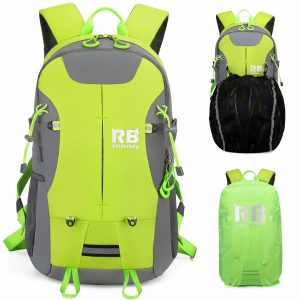
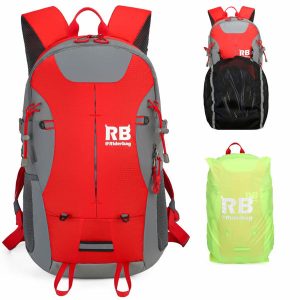
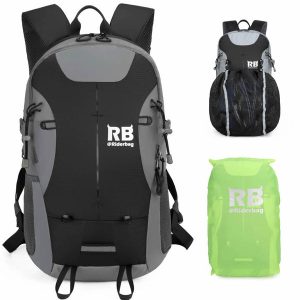
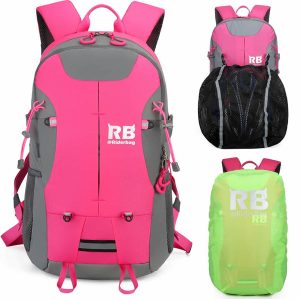
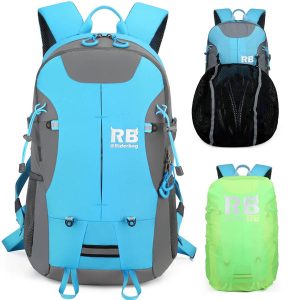
Reflective backpacks are another essential piece of gear for ebike riders. Not only do they provide a convenient way to carry your belongings, but they also serve as a moving billboard of sorts, catching the attention of drivers from behind. Look for backpacks with large reflective panels or strips, as well as additional safety features like waterproof compartments, ergonomic straps, and built-in lights. Some backpacks even come with integrated brake lights that activate when you slow down, providing an extra layer of safety.
In addition to clothing and backpacks, consider adding reflective tape to your ebike itself. Applying tape to the frame, wheels, or pedals can make your bike more visible from all angles. You can also invest in reflective stickers or decals that adhere to your helmet, creating a 360° visibility effect.
While high-visibility gear is essential, it is not a substitute for proper lighting. Always ensure your ebike is equipped with front and rear lights, even if you only ride during the day. A bright white front light and a red rear light are standard, but you can also add additional lights to your helmet, backpack, or wheels for extra visibility. Flashing lights are particularly effective at grabbing the attention of drivers, especially in busy urban environments.
Defensive riding is a mindset that prioritizes safety by anticipating potential hazards and taking proactive steps to avoid them. This approach is especially important for ebike riders, who must navigate a wide range of road conditions, traffic patterns and driver behaviours. By adopting a defensive riding style, you can significantly reduce your risk of accidents and injuries.
The first rule of defensive riding is to assume that drivers do not see you. Even if you are wearing high-visibility gear and have your lights on, it is crucial to operate under the assumption that drivers may not be paying attention. This means constantly scanning your surroundings, checking your mirrors, and being prepared to react to sudden changes in traffic flow.
One of the most common hazards ebike riders face is the right hook, where a car turns right across your path without noticing you. To avoid this, always position yourself in the centre of the lane when approaching an intersection, making it clear to drivers that you are part of the traffic flow. Signal your intentions well in advance, and make eye contact with drivers whenever possible to ensure they are aware of your presence.
Another common danger is the door zone, where a parked car’s door suddenly opens into your path. To avoid this, ride at least three feet away from parked cars, even if it means taking up more of the lane. If the road is too narrow to allow for this, slow down and be prepared to stop suddenly.
Defensive riding also involves being mindful of road conditions. Potholes, gravel, wet leaves, and other obstacles can pose serious risks to ebike riders, especially at higher speeds. Always scan the road ahead for potential hazards, and adjust your speed and position accordingly. If you encounter a particularly dangerous section of road, such as a construction zone or a poorly maintained bike lane, consider dismounting and walking your bike until it is safe to ride again.
In addition to physical hazards, ebike riders must also be aware of the psychological challenges of sharing the road with cars and trucks. Many drivers view cyclists as an inconvenience or even a nuisance, and some may exhibit aggressive or disrespectful behaviour. This can range from honking and tailgating to outright hostility, such as shouting or intentionally cutting you off.
While it can be frustrating to deal with such behaviour, it is important to remain calm and focussed. Avoid engaging with aggressive drivers, as this can escalate the situation and put you at greater risk. Instead, focus on maintaining a safe distance from vehicles, signaling your intentions clearly, and following the rules of the road. If you feel particularly unsafe, consider pulling over and allowing the driver to pass, or finding an alternate route.

Situational awareness is the ability to perceive, understand and respond to your environment in real-time. For ebike riders, this means being constantly attuned to the movements of vehicles, pedestrians, and other cyclists, as well as changes in road conditions, weather, and traffic signals. Developing strong situational awareness is essential for staying safe on the road.
One of the most effective ways to improve your situational awareness is to minimize distractions. This means avoiding the use of headphones, smartphones or other devices while riding. Even a momentary lapse in attention can have serious consequences, especially when travelling at higher speeds. If you need to use your phone for navigation, consider investing in a handlebar-mounted phone holder that allows you to keep your eyes on the road.
Another key aspect of situational awareness is understanding the flow of traffic. This includes knowing when to merge, when to yield and when to assert your right to the road. For example, when approaching a roundabout, it is important to signal your intentions clearly and position yourself in the correct lane. If you are unsure of the rules of the road in a particular area, take the time to familiarize yourself with local traffic laws and cycling regulations.
Weather conditions can also have a significant impact on your situational awareness. Rain, snow, and fog can reduce visibility and make roads slippery, while strong winds can affect your balance and control. In adverse weather conditions, it is important to slow down, increase your following distance and be extra cautious when turning or braking. If the weather becomes too severe, consider postponing your ride or finding an alternate mode of transportation.
Finally, situational awareness involves being mindful of your own physical and mental state. Fatigue, stress and illness can all impair your ability to ride safely, so it is important to listen to your body and take breaks as needed. If you are feeling unwell or overly tired, it may be best to avoid riding altogether until you are in a better condition.
Despite your best efforts to stay visible, ride defensively and maintain situational awareness, there will always be drivers who do not give cyclists the attention or respect they deserve. Distracted driving, fuelled by the widespread use of smartphones and other devices, has become a major safety concern for all road users, including ebike riders. In addition, some drivers may harbour negative attitudes toward cyclists, viewing them as obstacles or intruders on <strong>their</strong> roads.
To navigate this challenging environment, it is important to adopt a proactive approach to safety. This includes not only wearing high-visibility gear and riding defensively but also advocating for better cycling infrastructure and education. Many cities are beginning to recognize the importance of safe cycling routes, such as protected bike lanes and shared-use paths, which can help reduce conflicts between cyclists and drivers. By supporting these initiatives and participating in local advocacy efforts, you can help create a safer environment for all road users.
In the meantime, it is important to remain vigilant and assertive while riding. This means making your presence known by using lights, horns or bells, and by positioning yourself in a way that commands respect from drivers. If you encounter a particularly dangerous or hostile driver, consider reporting them to local authorities or using a helmet camera to document the incident. While it may not always be possible to change the behaviour of others, taking these steps can help protect yourself and others on the road.
eBike safety is a shared responsibility that requires the cooperation of cyclists, drivers and policymakers alike. By working together to create a culture of respect and awareness on the road, we can ensure that ebikes remain a safe, enjoyable, and sustainable mode of transportation for years to come.