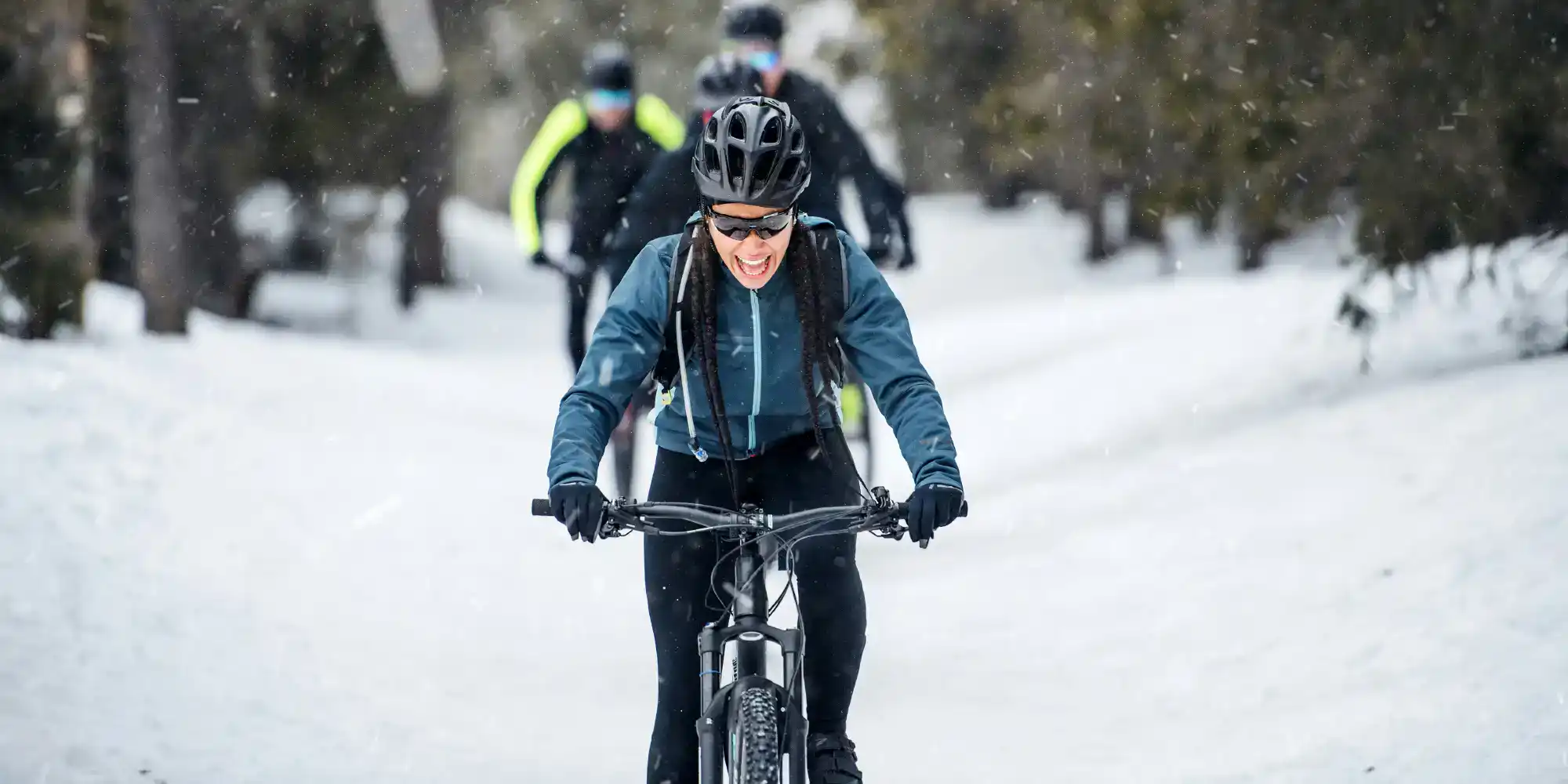
When it comes to riding an ebike, proper clothing and gear can make a huge difference in comfort and safety, whether you’re cruising in warm weather or braving the cold. Your outfit should protect you from the elements, enhance your performance, and ensure safety. Below is a detailed guide on clothing for ebike riding, with insights on how to dress for different weather conditions, from warm to cold, and essential gear like helmets, eyewear, and layering techniques.
Warm Weather Clothing for eBike Riding
In warm weather, the goal is to stay cool and dry while protecting your skin from the sun. Breathable, moisture-wicking fabrics are essential to keep sweat from clinging to your skin, which can lead to discomfort and chafing.
Helmets
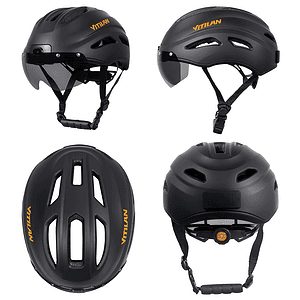
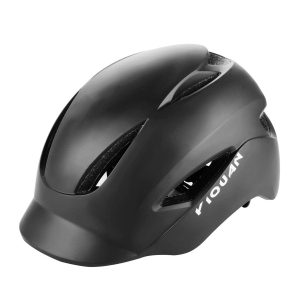
A helmet is required for any ride, regardless of the weather. In warm conditions, look for helmets with good ventilation. Good airflow helps you avoid overheating, so helmets with multiple vents and moisture-wicking pads inside can help keep your head cool. Lightweight models made of polycarbonate shells with expanded polystyrene (EPS) liners are both protective and comfortable. Some riders may opt for helmets with visors for extra sun protection.
For warm-weather rides, a jacket may not always be necessary, but having a lightweight, packable windbreaker is a great option for unexpected winds or if the temperature drops slightly. Look for jackets made from breathable materials, such as nylon or polyester, with mesh panels or vents to promote airflow. A water-resistant and lightweight jacket will protect against light rain without causing overheating.
Shirts
A high-quality moisture-wicking shirt made of polyester or merino wool is ideal for warm weather. These fabrics pull sweat away from your skin, helping regulate body temperature. Unlike cotton, which retains moisture and can become heavy and uncomfortable when damp, synthetic and wool shirts keep you dry and cool. Short sleeves or sleeveless designs are great for staying cool, while UV-resistant fabrics add an extra layer of protection against sun exposure.
Pants and Shorts
For lower-body clothing, cycling shorts are the go-to choice for ebike riders. They are often made from Lycra or spandex, providing a snug fit that reduces friction and prevents chafing. Many cycling shorts feature built-in padding (chamois) to cushion the rider during long rides. If you prefer more coverage, opt for breathable, lightweight cycling pants with good stretch, or mountain bike shorts with a looser fit for more casual riding.
Socks
Moisture-wicking socks are a must for warm weather riding. Choose socks made from synthetic blends like polyester, nylon, or merino wool, which help keep your feet dry and comfortable. These materials provide better ventilation and moisture control than cotton, which tends to trap sweat and cause blisters.
Cycling shoes designed for warm weather rides should be lightweight and breathable, with mesh panels to allow for airflow. Look for shoes with stiff soles, which provide better power transfer from your legs to the pedals. Some ebike riders may prefer clipless shoes that lock into the pedals, enhancing pedaling efficiency, while others prefer flat shoes for easier mobility. If you use flat pedals, consider shoes with grippy soles to prevent slipping.
Eyewear – Glasses and Goggles
In warm, sunny conditions, protecting your eyes is always recommended. Sunglasses with UV protection shield your eyes from harmful rays, wind, insects and debris. Polarized lenses reduce glare, especially when riding on roads or near bodies of water. Wraparound designs provide more comprehensive protection and prevent wind from irritating your eyes during faster rides.
Cold Weather Clothing for eBike Riding
Cold weather riding presents different challenges, primarily keeping your body warm while allowing for moisture and temperature regulation. Layering will allow you to adjust your clothing as your body heats up during your ride.
Helmets
In cold conditions, your helmet can cause heat loss if it lacks proper insulation. Choose a helmet designed for winter or one that allows for the addition of a helmet liner or skull cap. Some winter cycling helmets come with fewer vents, which helps retain body heat, or offer adjustable vent covers that you can open and close as needed.
Jackets
A high-quality cycling jacket for cold weather will keep you warm without adding unnecessary bulk. Look for jackets with windproof and waterproof materials, such as Gore-Tex or similar fabrics, which provide protection from cold winds and precipitation. Some cycling jackets feature thermal insulation with a fleece-lined interior for added warmth. It’s important that the jacket has a high collar, long sleeves with snug cuffs, and a drop tail to protect your lower back while riding.
Shirts
In cold weather, start with a base layer that wicks moisture away from your skin. A thermal long-sleeve shirt made of merino wool or a high-performance synthetic material will keep you dry and warm. On top of that, wear an insulating mid-layer, like a fleece or light down jacket, to trap heat. Avoid cotton, as it retains moisture and will leave you feeling cold and damp.
Pants and Shorts
For cold-weather pants, look for thermal cycling tights or pants with insulation. Fleece-lined cycling pants made from a blend of nylon, spandex, and elastane provide warmth while allowing flexibility and freedom of movement. Windproof and water-resistant materials block the cold. If it’s extremely cold, you may want to wear an additional thermal base layer underneath your pants for extra warmth.
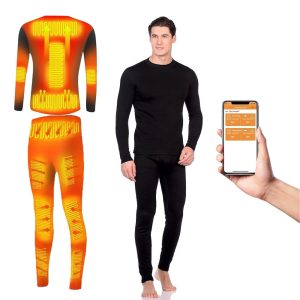
Insulated Underwear
Thermal underwear can be a game-changer in cold weather. Look for lightweight, moisture-wicking options made from merino wool or synthetic blends. These materials provide insulation while keeping sweat off your skin, preventing you from getting chilled once you start sweating during your ride.
Socks
In cold conditions, thicker socks made of merino wool are an excellent choice. Wool naturally wicks moisture while providing insulation, keeping your feet warm and dry. Some riders prefer using two layers of socks, with a thinner moisture-wicking sock underneath a thicker, warmer sock. Make sure your shoes are roomy enough to accommodate thicker socks without constricting your feet, which can reduce circulation and lead to cold toes.
Footwear
Winter cycling shoes are insulated, waterproof, and have a higher cut to keep your feet warm and dry. If you’re using regular cycling shoes, consider adding neoprene or waterproof shoe covers, which are designed to keep out cold wind and moisture. Like warm-weather shoes, winter cycling shoes should have stiff soles for efficient pedaling.
Eyewear – Glasses and Goggles
For cold weather, consider clear or yellow-tinted glasses that enhance contrast in low-light conditions. If you’re riding in snowy conditions, polarized lenses reduce glare. Some riders opt for goggles with anti-fogging properties to maintain visibility, especially when wearing a helmet liner or scarf, which can direct warm breath upward and fog up lenses.
Dressing in Layers
Layering manages body temperature in both warm and cold weather, and it’s important in colder conditions where overheating leads to sweating, followed by chilling. The idea behind layering is to trap heat while allowing moisture to escape.
Base Layer: Worn next to your skin, the base layer should wick away moisture to keep you dry. For warm weather, this could be a lightweight synthetic or merino wool shirt. In cold weather, opt for a thermal base layer that offers insulation.
Mid-Layer: In colder weather, the mid-layer provides insulation. This could be a fleece jacket or a down vest. In warmer weather, this layer can be skipped, or you could opt for a thin windbreaker.
Outer Layer: The outermost layer protects you from the elements — wind, rain, or snow. A lightweight, breathable jacket is great for warm weather, while a windproof and waterproof jacket with insulation is good for cold weather riding.
The beauty of layering is the flexibility it offers. If you get too warm, you can remove a layer; if you get cold, you can add one.
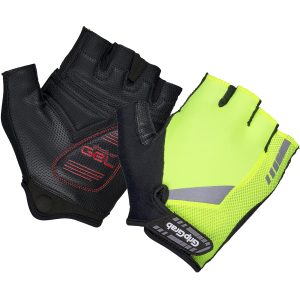
Whether you’re riding in bright sunlight or under cloudy skies make sure you’re visible to other road users. In warm weather, consider brightly colored or reflective clothing, and in colder weather, where days are shorter, reflective strips and/or LED lights attached to your clothing, helmet, and bike increases your visibility significantly.
Heading out as the leaves change? Here’s more on riding through the fall season. Got some spiffy riding gear you want to show off? Let us see it in the comments!